
Before New Nordic cooking became a phrase that travelled on luggage tags, it was a set of refusals. Refuse the idea that excellence must arrive by air freight. Refuse the assumption that Nordic winters are a culinary deficit. Refuse the habit of plating someone else’s climate and calling it ambition.
The movement’s early documents — often summarised as purity, season, ethics, health, sustainability, and quality — read less like marketing and more like a field guide. They asked cooks to look down: at root cellars, at cold-water fish, at berries that stain fingers for days. The argument was not isolationist. It was attentiveness.
Identity without costume
Every culinary “movement” risks becoming a costume. New Nordic cooking was no exception: moss on plates, ant garnishes, the performance of wilderness. Yet the durable idea underneath the theatre was quieter. Local was not a slogan; it was a constraint that sharpened craft. When lemons are not a default, acidity must be invented — fermented gooseberry, birch sap vinegar, cultured cream with a clean edge.
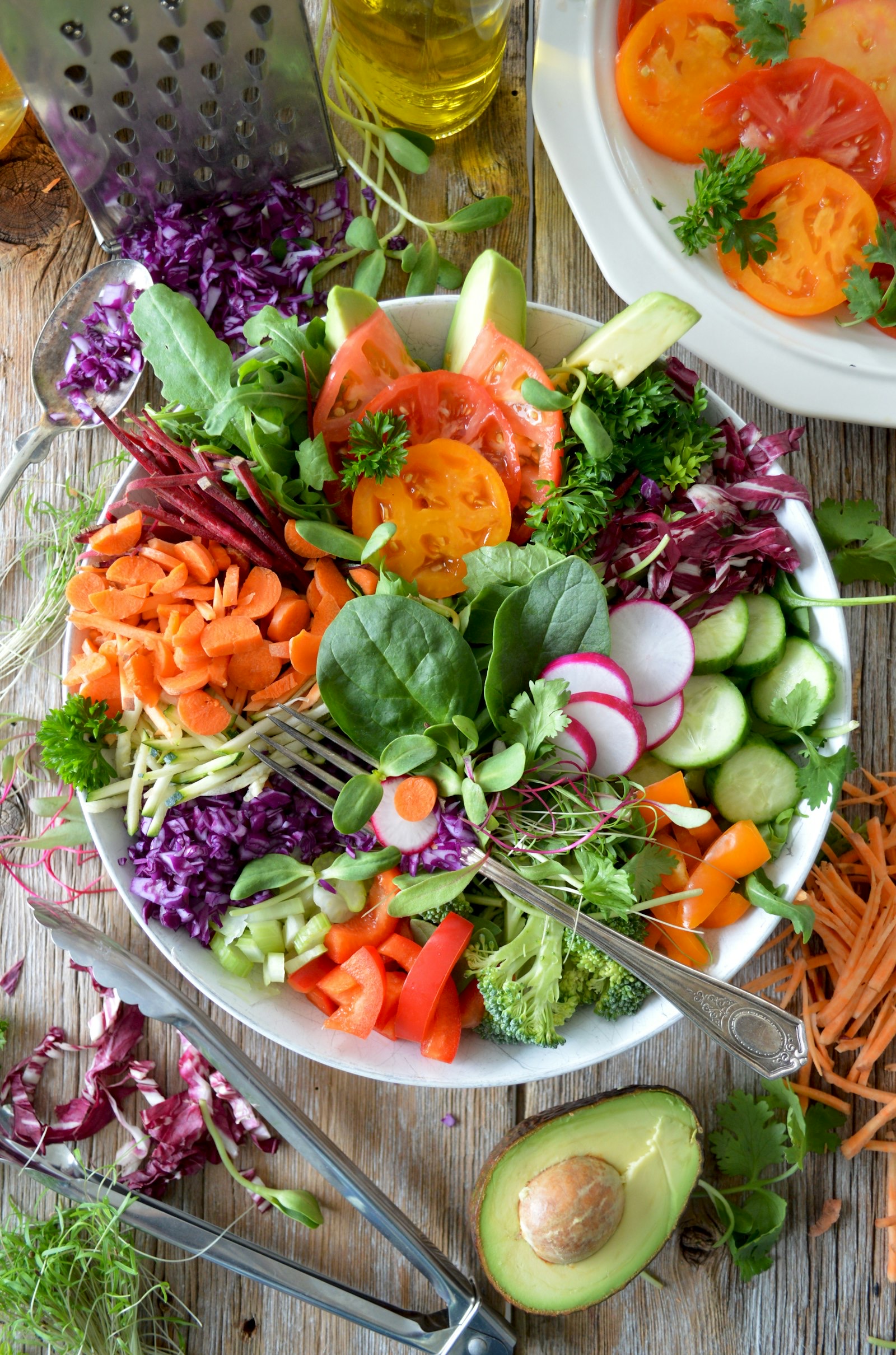
That constraint produced a generation of cooks who treat a carrot with the seriousness once reserved for luxury protein. Not because meat disappeared, but because hierarchy softened. A course could be a single vegetable, held by heat control and patience rather than by imported rarity.
Respect for a place is measured in how little you distract from it.
From manifesto to method
Manifestos age; methods endure. What survived the first wave of media attention was a toolkit: foraging calendars, fermentation libraries, close relationships with small producers, and menus structured by season rather than by classical French chapters. Copenhagen became a laboratory partly because the city sits within easy reach of coast and forest — and partly because a cluster of ambitious kitchens decided the landscape was enough.
Critics sometimes ask whether New Nordic cooking “ended.” Movements do not end so much as dissolve into habit. Today you find the habits in neighbourhood bakeries fermenting rye overnight, in wine bars pouring low-intervention bottles beside smoked fish, in home cooks who brine more than they buy. The manifesto succeeded when it stopped needing to announce itself.
What the journal keeps
Foraging Journal returns to the New Nordic story not to rank restaurants, but to keep the landscape argument alive. Soil still changes. Seasons still compress. The interesting question is not who holds a trophy this year — it is whether a plate still tastes of a particular wind.
Read next: how foraging culture turns that wind into practice in Field 02, or how one Copenhagen kitchen became a global reference point in Field 05.