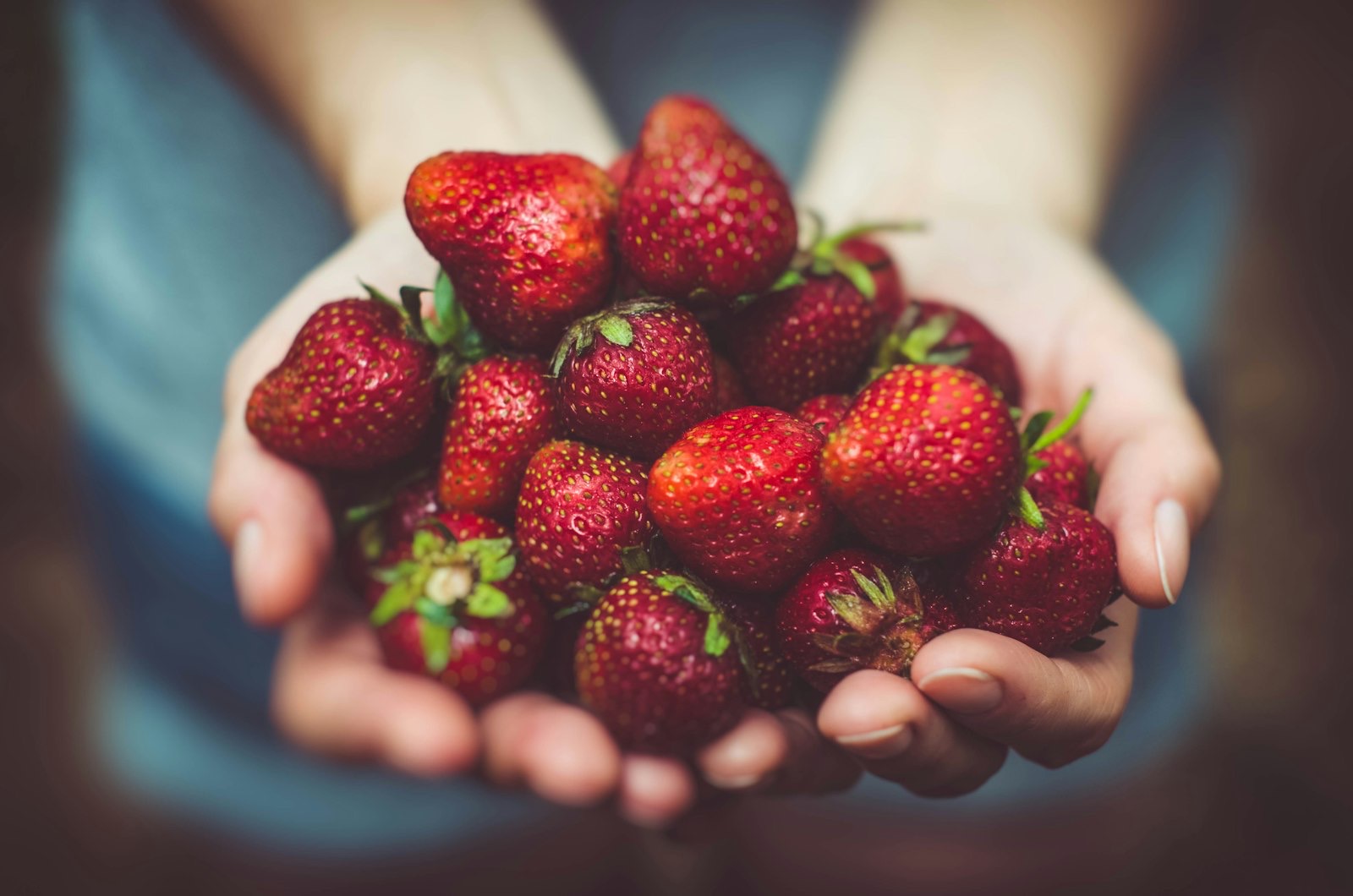
Walk into any serious Nordic kitchen and you will find a wall of jars: not props, but a library. Peeled gooseberries under salt. Celery root in brine. Garums made from roasted grains and seafood trimmings. The practice borrows freely — Japanese koji, ancient Nordic pickling — and then localises until the jar tastes like a particular field.
Fermentation is how New Nordic cooking solves climate without apology. Lemons may be scarce; acidity is not. Fresh berries may last weeks; their vinegar and wine can last a winter of sauces, dressings, and unexpected sweetness.
A library, not a trend
Trends treat fermentation as a flavour note. Craft treats it as time management. A cook who plans next spring’s menu in this autumn’s ferment room is practising the same patience as a forager who waits for the right rain. The jar is a calendar you can open.
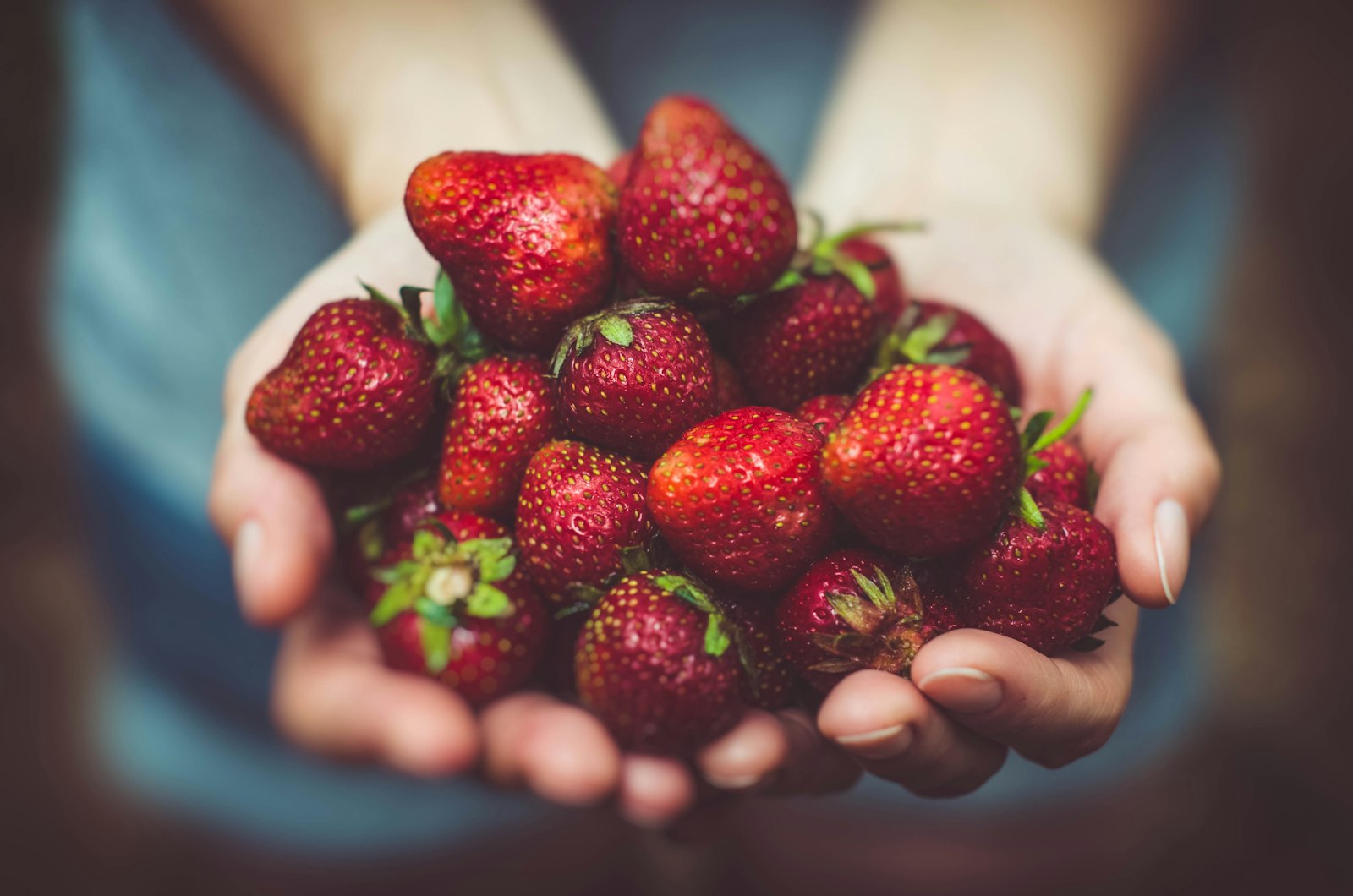
Koji arrived into Nordic kitchens as a borrowed technology and became a local dialect: grains, nuts, and vegetables transformed into deep savoury bases. Garums built from roasted seeds or fish scraps turned waste into backbone. Lacto-fermented vegetables offered brightness when the greenhouse felt dishonest.
Ethics in the ferment room
Fermentation is also ethics. It reduces waste, stretches flavour, and forces cooks to plan beyond the nightly service. A trim that might have been discarded becomes tomorrow’s seasoning. A glut of fruit becomes next winter’s acidity. The smell of a warm ferment room — sweet, funky, alive — is hard to describe in prose. Still, the attempt matters.
A jar is a calendar you can open.
What the journal can hold
We cannot bottle the room for you. We can point to fermentation as the quiet engine behind so much of what readers associate with New Nordic cooking — including the seasonal logic popularised by kitchens such as Noma, discussed as culture in Field 05. For the plants that fill those jars, return to foraging culture and Scandinavian nature.
Thank you for reading the ledger. The shore will be different next week — that is the point.