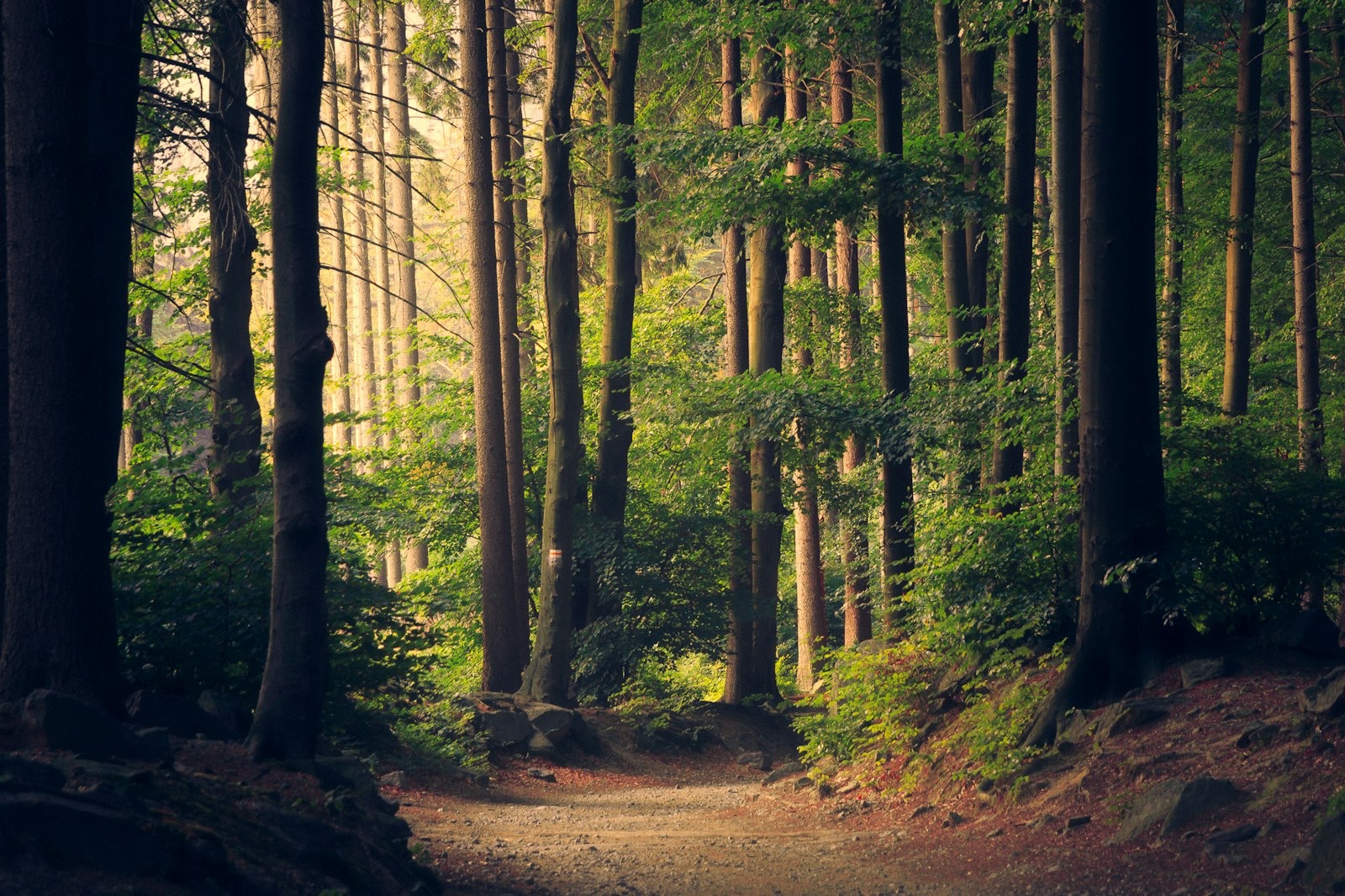
Foraging culture in Scandinavia did not begin with tasting menus. It began with people who needed to know which green was food and which was foolhardy. What New Nordic kitchens changed was not the existence of wild plants — it was the seriousness with which those plants entered fine dining, writing, and public imagination.
Still, the craft itself remains humble. You kneel. You identify twice. You take what regenerates. You leave roots where the plant needs them. You learn that a beautiful patch is not an invitation to empty it.
Seasons, not shopping lists
A foraging year is a sequence of narrow windows. Spruce tips in late spring, sharp and resinous. Elderflower for a few fragrant days. Beach herbs when salt wind has toughened the leaves just enough. Chanterelles after the right rain. Rosehips when frost has begun its work. Miss the window and no amount of ambition will reopen it.
Kitchen teams that publish foraging calendars are not inventing scarcity theatre. They are translating a landscape that has always fed people who knew when to kneel. The calendar is a teaching tool: it says attention is the ingredient.
Coast and forest
Two biomes dominate the Danish and wider Nordic foraging imagination. The coast offers sea rocket, beach mustard, and the mineral bite of cold spray — plants that taste of iodine and snap like celery. The forest offers wood sorrel, young spruce, wild berries, and moss as a humidity meter for the whole understory.
The forest does not need chilli heat; it needs patience.
Photographers chase golden hour. Foragers chase the hour after rain, when scent rises from needles and the path softens underfoot. That hour rarely looks glamorous. It smells like the dish will later taste.
Ethics before novelty
Every few years a wild ingredient becomes fashionable and then over-harvested near cities. Responsible culture pushes back: take little, spread pressure, favour abundant species, and treat private land and protected areas as closed. Novelty is a poor excuse for a stripped verge.
In these pages, foraging is never a shopping trip. It is a way of reading place — and of deciding what belongs on a plate without exhausting the page it was written on. Continue with Scandinavian nature as pantry, or the city that absorbed these ideas in Copenhagen after the spotlight.