
A food city matures when its ideas leave the tasting room. Copenhagen’s reputation was forged in rooms that treated season as structure and landscape as pantry. The second act is quieter — and, for a journal like this one, more interesting.
Walk away from the waterfront icons and you find the afterlife of New Nordic cooking: rye treated as a craft grain again, smoked fish plated without ceremony, natural wine lists that prefer farms to theatre, and vegetable cooking that no longer needs to announce itself as a movement.
Neighbourhood as laboratory
Influence travels by staff, not only by awards. Cooks who trained in high-pressure seasonal kitchens opened smaller rooms where the same ideas could breathe. Fermentation stayed. Foraged accents stayed. The tasting-menu architecture often did not. That translation — from marathon to weekday lunch — is how a city absorbs a philosophy.
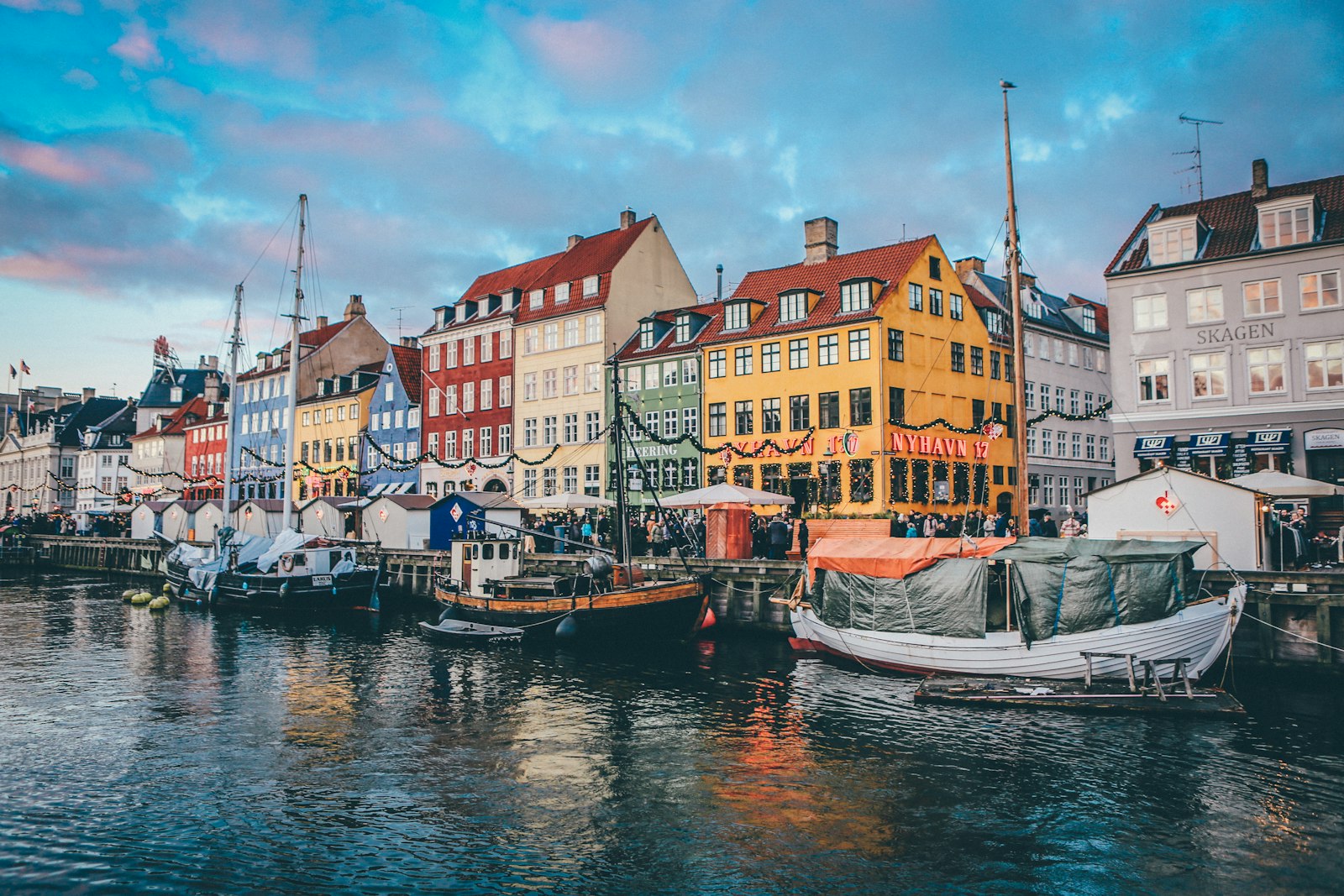
Bakeries, bars, markets
Look for the crafts that do not photograph as “fine dining” yet carry the same ethics. Overnight ferments in bread. Low-intervention bottles that taste of a particular year. Market stalls where herbs are local enough to wilt honestly. These spaces rarely dominate global lists; they define whether residents eat better than tourists expect.
A food city matures when its ideas leave the tasting room.
Writing without a waiting list
Foraging Journal documents techniques and atmospheres rather than access. We are not here to help you secure a seat. We are here to notice when dill still smells like a backyard, when a soup tastes of last autumn’s jar, when a city’s culinary reputation still begins outside the ring road — with people foraging after rain.
For the landmark that helped draw the world’s eye, read Noma as cultural phenomenon. For the jars behind many neighbourhood menus, continue to Fermentation.